
Future-proofing work: Ergonomics for the 2040 workforce
As an ergonomics/human factors professional, the recently published Work Health 2040 report is a fascinating read. The section on ‘Increasing longevity and differences across social generations’ really jumped out at me.
The idea of our society having an ‘aging population’ is not new to me. I remember university lecturers discussing this well over 20 years ago. Lower fertility rates combined with the ‘baby boomer’ generation living longer means many of us will be working for more years than our parents did.
In New Zealand the retirement age is currently 65. There have been discussions of potentially increasing this to 67, although nothing formal has been proposed. A major driver is financial, with around $25 billion being spent annually on NZ superannuation (McGregor, 2025). With more people retired and fewer people in the tax-paying workforce, funding government superannuation becomes a bit of a balancing act.
Our fertility rate — the average number of children a woman is expected to have during her childbearing years between the ages of 15-49 — hit an all-time low of 1.56 in 2023. While it has increased slightly to 1.83 in 2025, the trend has been steadily declining since the 1970s (Macrotrends, 2026). This is a big reason why we, as a small country, rely so heavily on immigration. We simply don’t have enough people entering the workforce every year to keep up with demand (Stats NZ, 2025a).
Fitting the job to the person – why ergonomics is the key to our 2040 future
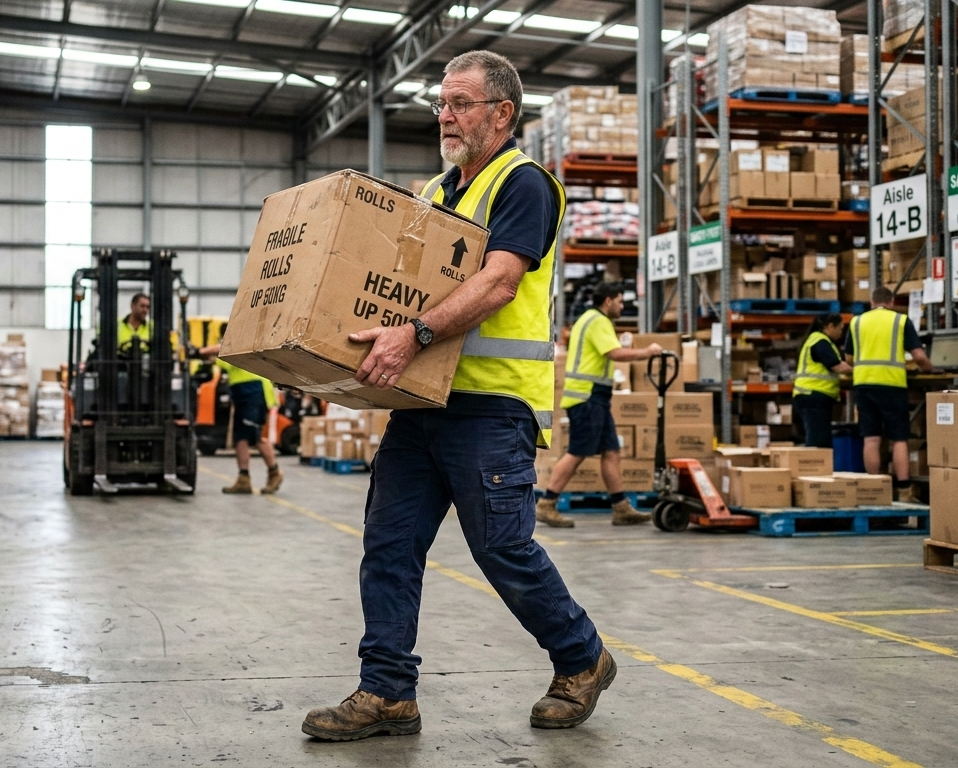
While we often think of this as a slow-moving shift, New Zealand is accelerating toward ‘super-ageing’ status. By definition, a country becomes super-ageing when 20% of its population is aged 65 or over. Stats NZ projects we will hit that milestone by the mid-2030s, though regions like Tasman, Nelson, and Marlborough are already there (WSP and The Helen Clark Foundation, 2025).
By 2040, more than one in five Kiwis will be in the 65+ bracket. This isn't just a social challenge, but a massive economic opportunity known as the ‘longevity dividend’. Across the G20 — the world’s 21 most powerful economies — older workers already generate significant wealth. By 2035, they are projected to command 40% of all household income. Currently, this dividend is being ‘lost’ because we haven’t designed our workplaces to keep up. Poor health and poorly designed jobs are the biggest barriers preventing our most experienced people from staying in the workforce (International Longevity Centre UK, 2023).
This shift is already playing out as we are seeing people stay in the workforce longer, either because they want to, or because financially, they need to. Currently, around 25% of New Zealanders aged 65+ are still working (Brunsdon, 2025). Projections indicate that the number of people working over the age of 65 will continue to climb (Stats NZ, 2025b). If, as a nation, we want to thrive and support these workers, we need to start designing work that protects and unlocks this incredible resource.
By 2040, a standard workplace will likely have five different generations working side-by-side, each with different cultural backgrounds and varying levels of comfort with technology (Institute for Work & Health, 2026). From an ergonomics perspective, this is a massive shift. We often talk about ‘fitting the job to the person’, but the challenge now is: how do we fit one job to five different generations, a large range of cultures, and a vast array of physical needs, all at once?
The myth of the 'average' worker
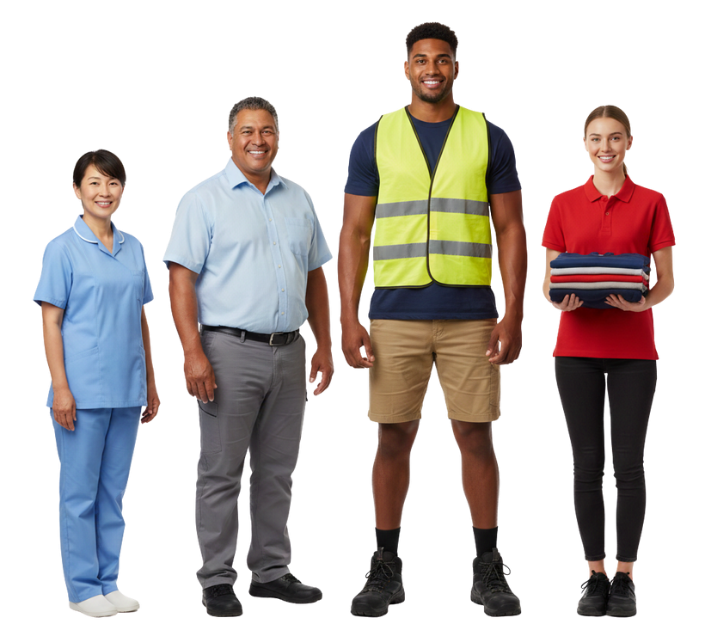
For a long time, workplace designs were based on a ‘one size fits all’ approach, typically modelled after a young-to-middle-aged male of average height and build. In ergonomics, we call this designing for the ‘50th percentile’. The problem? This ‘average’ person doesn't actually exist! When we design for the average, we are essentially designing for no one.
As we move toward 2040, relying on this mythical ‘average’ becomes even more dangerous because our workforce is changing in three distinct ways:
We are getting taller and wider: Better nutrition and healthcare mean we are getting taller by roughly 1cm per decade (NCD Risk Factor Collaboration, 2016). Simultaneously, lifestyle shifts have increased average body mass.
We are more ethnically diverse: Aotearoa has a unique demographic mix. From a Human Factors perspective, ignoring this is a design failure. Different ethnic groups often have varying limb-to-torso ratios, meaning a ‘standard’ chair, workbench height, or equipment. might not suit different body types (Pheasant & Haslegrave, 2016).
Our bodies and minds age differently: As we age, our musculoskeletal systems change. We might lose some strength or joint flexibility, while our eyesight requires different lighting. Conversely, older workers often have higher experience-based wisdom that can be used to solve complex problems or store institutional knowledge (Fisher et al., 2017).
The cost of ‘average’: Designing for now, future-proofing for 2040
If we continue to design jobs for the mythical ‘average’ person, we are effectively ‘designing out’ the rest of our talent. This creates exclusionary environments where:
Older workers experience higher rates of preventable fatigue and strain because the ‘fit’ is no longer right.
Women (who are typically smaller than the male ‘average’) and those from diverse ethnic backgrounds face increased musculoskeletal risks from equipment or workstations that weren't built for their specific proportions.
The ‘longevity dividend’ is lost because the most experienced people leave the workforce early, taking with them core knowledge and skills. While there are a multitude of reasons for this you often see early retirement due to pain and discomfort in industries such as construction and healthcare. Our current work systems are also likely to be too rigid. For example, expecting people to work a standard 40-hour week, or having to work from the office.
From a Human Factors perspective, the goal isn't to find a new ‘average’ for 2040. We need to use the principles of ‘universal design’ where work environments are created that are flexible, accessible, and comfortable for the widest range of people possible. To retain our workforce, we need to move from ‘fitting the person to the job’ to creating systems that can be tailored to the individual to suit their needs at a specific point in time.
Using a systems thinking approach that considers not just the immediate physical environment but the work systems that support the business is needed. For example, having fully adjustable workstations, work benches, chairs, equipment, and shelving, or the use of automation, can be combined with different working arrangements, such as reduced hours, or adjusted pacing, that recognises a person's changing capacity.
The shifting landscape of our aging workforce
As we age, our physical and cognitive capacities naturally shift. Muscle mass and strength gradually decrease, bone density can diminish, and joint elasticity reduces, limiting our natural range of motion (Cruz-Jentoft, et.al., 2019). Cardiovascular fitness — essential for endurance in physically demanding roles — may also naturally decline (Hawkins & Wiswell., 2003).
Beyond these musculoskeletal changes, our sensory and cognitive needs evolve. Our vision can decline, making visually demanding tasks more difficult. We also become more sensitive to ‘noisy’ environments which can increase cognitive load, leading to fatigue and ‘brain fog’ from sensory overload (Peelle, 2018). How quickly we process information can also slow down, and interacting with complex, non-intuitive digital interfaces can become fatiguing. Further, we must account for gender-specific transitions, such as perimenopause and menopause, which impact thermoregulation, cognitive function, and energy levels (CIPD, 2023).

But it’s not all doom and gloom! Research from Victoria University of Wellington (2024) notes that while physical speed might decline, older workers often excel in complex decision-making and social skills. These workers bring experience-based wisdom to an organisation, their skills and expertise along with institutional knowledge allow them to solve complex problems and mentor others more efficiently than a novice.
Being aware of these shifts is critical for managing work-related musculoskeletal disorders (WRMSDs) such as sprains and strains. While many may still be capable of performing physically demanding jobs, they are likely to be working closer to their maximum capacity. This makes them more vulnerable to injury and means they may require more recovery time. This is why early intervention is critical to ensure the small ‘niggle’ doesn’t turn into a chronic career-limiting issue.
Universal design – a design solution for now and the future.
In ergonomics, ‘universal design’ shifts the focus from a ‘one-size-fits-all’ model (to fit the mythical average person) to a ‘one-size-fits-any’ model. It is the practice of designing environments and tools to be usable by the widest range of people possible, regardless of age, size, or ability, and without the need for specialised adaptation.
It moves beyond just ‘fixing’ a workstation for one person, it ensures the entire system is inherently flexible, so it naturally accommodates the tallest, the shortest, the oldest, and the most diverse members of your team by default.
Businesses need to understand the risks involved in their work to proactively manage WRMSDs by understanding the root causes. Following good work design principles and engaging with workers to design a workplace where all workers can thrive.
Some practical tips your business can start using now

Eliminate the extreme demands. Remove the physical stress from high-force or highly repetitive tasks. If a tool or mechanical aid can make the job easier for a 60-year-old, it is safer for everyone, regardless of age. This approach protects younger workers too by reducing cumulative strain, which supports career-longevity. If the budget allows, consider an automated system for high-risk activities.

Focus on the ‘middle zone’. Design tasks involving physical effort to occur between shoulder and knee height. This is the optimal range for protecting the lumbar spine and shoulders during manual handling. For storage, keep heavier items on middle shelves and lighter items on higher or lower shelves.
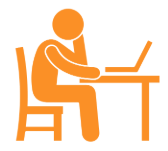
Combat static loads: Movement is key. Encourage the idea that ‘next posture is the best posture’ by designing work that allows for regular change. Avoid static roles where people are stuck in one position for long periods. If possible, allow staff to alternate between sitting and standing, or move around frequently.
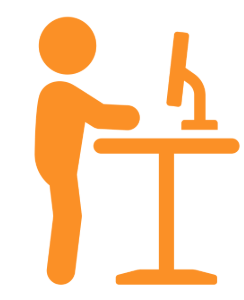
Design for visual demands. The optimal height for a task depends on the specific demands. While we want to keep the neck in a neutral, comfortable position to avoid strain, we must also balance this with the need to exert force or use gravity. For high-precision tasks, bring the work closer to the eyes to reduce neck bending. If the task requires force, it may need to be lower to engage the larger muscle groups. The goal is to design the workspace to avoid prolonged neck flexion or extension while still allowing the worker to perform the task safely. This supports long-term worker wellbeing.

Reduce sensory overload. Older workers can find noisy environments or complex digital interfaces more fatiguing. Good design is universal. Improving lighting and reducing glare does not only assist older workers it reduces eye strain for all. Minimising background noise and simplifying digital tools reduces cognitive load. This helps everyone stay focused, reduces frustration, and makes the workday less taxing for the whole team.
Create comfortable environments. Perimenopause can bring symptoms like hot flushes and fatigue that affect concentration. Workplaces need better climate control to support staff. Simple adjustments, such as access to natural ventilation, personal fans, or temperature-adjustable areas, allow workers to regulate their immediate surroundings. Flexibility in how and where work is done also helps staff manage these transitions while maintaining their wellbeing.

Address psychosocial risks: Age-diverse teams thrive when they feel supported. High job demands combined with low job control increase muscle tension. Ensure there is a culture of social support and clear communication. This improves productivity and overall wellbeing.

Procurement with purpose: Invest in adjustable equipment like desks, stools, tools, workbenches, and handling aids that accommodate different body sizes. If you do not already have one, develop a procurement system or a checklist that prioritises functionality for a wide range of users. It is easy to pick the cheapest option, but the long-term cost of ill-fitting equipment is much higher.
Tips for workers to enhance career longevity

Take breaks and micro-breaks: Depending on the type of work you do, frequent micro-breaks of around 5–30 seconds can help your body recover. Use this time to shift your posture and release muscle tension.
Use tools and equipment provided. If mechanical aids are provided, use them to reduce strain. Make sure you have received adequate training to operate them safely. If the tools are not suitable, or if there is not enough equipment to go around, speak to your manager.

Look after your own wellbeing. What you need will depend on the type of work you do. If you sit for most of the day, prioritise moving, but if your job is physical, you may need more time for your body to rest. Focus on activities that support your health and wellbeing as you age, like walking, strength training, and functional mobility. Good sleep habits and nutrition are the foundation of your health.
Speak up early. Early intervention is the key to preventing a minor ‘niggle’ from becoming a chronic problem. As we age, it is important to address these issues when they arise rather than waiting for them to worsen.
Sustainable success, for now and into the future
Designing for the 2040 workforce requires us to move past outdated models of the average worker. A proactive approach to musculoskeletal risk management and a commitment to universal design are no longer optional, they are business essentials. By creating flexible, inclusive work systems, we do more than just prevent injury. We unlock the potential of our diverse, multi-generational teams. The businesses that thrive will be those that view these design changes as a strategic opportunity to support their people. By investing in the right environment today, we ensure a sustainable, healthy, and productive workforce for tomorrow.
References
Brunsdon, N., (2025). Can labour force participation keep rising? Available from: https://economics.infometrics.co.nz/article/2025-02-can-labour-force-participation-keep-rising
CIPD. (2023). Menopause in the workplace: Employee experiences in 2023. London: Chartered Institute of Personnel and Development. Available from: https://www.cipd.org/en/knowledge/reports/menopause-workplace-experiences/
Cruz-Jentoft, A. J., et al. (2019). Sarcopenia: Revised European consensus on definition and diagnosis. Age and Ageing, 48(4), 601–631. Available from: https://academic.oup.com/ageing/article/48/1/16/5126243
Fisher, G. G., et al. (2017). Cognitive Functioning, Aging, and Work: A Review. Work, Aging and Retirement. Available from: https://pubmed.ncbi.nlm.nih.gov/28358568/
Hawkins, S. A., & Wiswell, R. A. (2003). Rate and mechanism of maximal oxygen consumption decline with aging: Implications for exercise training. Sports Medicine, 33(12), 877–888. Available from: https://pubmed.ncbi.nlm.nih.gov/12974656/
International Longevity Centre UK, (2023). Despite half of G20 member countries being classified as “super ageing”, summit fails to address demographic change. Available from: https://ilcuk.org.uk/g20-summit-fails-to-address-demographic-change/
Institute for Work & Health, (2026). Work & health 2040: Anticipating changes impacting the future of occupational health and safety. Available from: https://www.iwh.on.ca/scientific-reports/work-health-2040-anticipating-changes-impacting-futures-of-occupational-health-and-safety
McGregor, C (2025). Why messing with NZ Super remains political dynamite.https://thespinoff.co.nz/the-bulletin/28-05-2025/why-messing-with-nz-super-remains-political-dynamite
Macrotrends, (2026). New Zealand fertility rate (1950-2025). Available from: https://www.macrotrends.net/global-metrics/countries/nzl/new-zealand/fertility-rate
NCD Risk Factor Collaboration. (2016). A century of trends in adult human height. eLife. Available from: https://elifesciences.org/articles/13410
Peelle, J. E. (2018). Listening effort: How the cognitive consequences of acoustic challenge are reflected in brain and behavior. Ear and Hearing, 39(2), 204–214. Available from: https://journals.lww.com/ear-hearing/fulltext/2018/03000/listening_effort__how_the_cognitive_consequences.4.aspx
Pheasant, S., & Haslegrave, C. M. (2016). Bodyspace: Anthropometry, Ergonomics and the Design of Work. CRC Press.
Stats NZ, (2025a). New Zealand’s population likely to reach 6 million before 2040. Available from: https://www.stats.govt.nz/news/new-zealands-population-likely-to-reach-6-million-before-2040/
Stats NZ, (2025b). National labour force projections: 2024 (base)-2078. https://www.stats.govt.nz/information-releases/national-labour-force-projections-2024base-2078/#:~:text=the%20labour%20force%20(3.1%20million,hours%20per%20week%20in%202078.
Victoria University of Wellington (2024). Age and work: Harnessing the potential of an older workforce. Wellbeing at Work Series. https://www.wgtn.ac.nz/wellbeing-hub/wellbeing-at-work/articles/age-and-work
WSP and The Helen Clark Foundation, (2025). Age-proofing Aotearoa. Rethinking our infrastructure for an aging population. https://www.wsp.com/en-nz/campaigns/hcf-age-proofing-aotearoa