The winter chill: Managing musculoskeletal risks at work.
As the winter frost settles across Aotearoa, our workplace focus naturally shifts to turning up the heaters, grabbing a thicker puffer jacket, or putting on another layer. But from an ergonomic standpoint, cold is far more than just a matter of thermal discomfort.
When the temperature drops, the human body undergoes distinct physiological changes that directly compound musculoskeletal risks. Whether your team is pouring concrete on a windy exposed site, picking orders in a distribution centre, or sitting stationary working at a computer, cold conditions can dramatically alter the physical demands of work.
To maintain our safety and productivity during the cold winter months we need to understand the risks through a holistic lens. By applying the Contributing risk factors for work-related musculoskeletal disorders model¹, we can unpack exactly how cold interacts with our bodies and tasks, and establish clear, practical risk management strategies for both businesses and individuals².

How cold affects the body
To understand why working in the cold is a threat to our musculoskeletal health, we have to look at how our bodies respond when our core or ambient temperature drops. The human body prioritises survival over dexterity, initiating a domino effect that alters how we move, handle loads, and resist injury.
Internal defence mechanisms
Blood flow is moved away from the skin via vasoconstriction.
When skin receptors detect cold, the nervous system constricts peripheral blood vessels. As a result, blood is shunted away from the skin, hands, and feet toward the vital organs in our core to maintain a stable internal temperature.
Shivering and muscle tension.
To generate heat, muscles begin involuntary micro-contractions that we notice as shivering. Even before visible shivering starts, baseline muscle tension increases dramatically as the body attempts to build a protective thermal barrier.
The impact on movement and functional performance
Reduced nerve conduction and sensory loss.
Cold hands lose tactile sensitivity. When your fingertips feel numb, your brain loses accurate feedback about how hard you are gripping an object. Consequently, workers instinctively apply more grip force than necessary to perform the exact same task, drastically accelerating forearm and wrist fatigue.
Loss of muscle velocity and power.
Cold muscle tissue is physically less elastic and more viscous. This means it cannot contract or extend as quickly or smoothly. This reduces joint range of motion and leaves tendons vulnerable to micro-tears when sudden forces are applied.
Increased risk of work-related musculoskeletal disorders (WRMSDs).
When you combine restricted blood flow (which deprives tissues of oxygen and stalls the removal of metabolic waste) with increased stiffening and hypertension, the threshold for a sprain, strain, or gradual process injury drops significantly, particularly when other risk factors such as meeting tight deadlines and high job demands are present³.
Interconnected factors in musculoskeletal injury
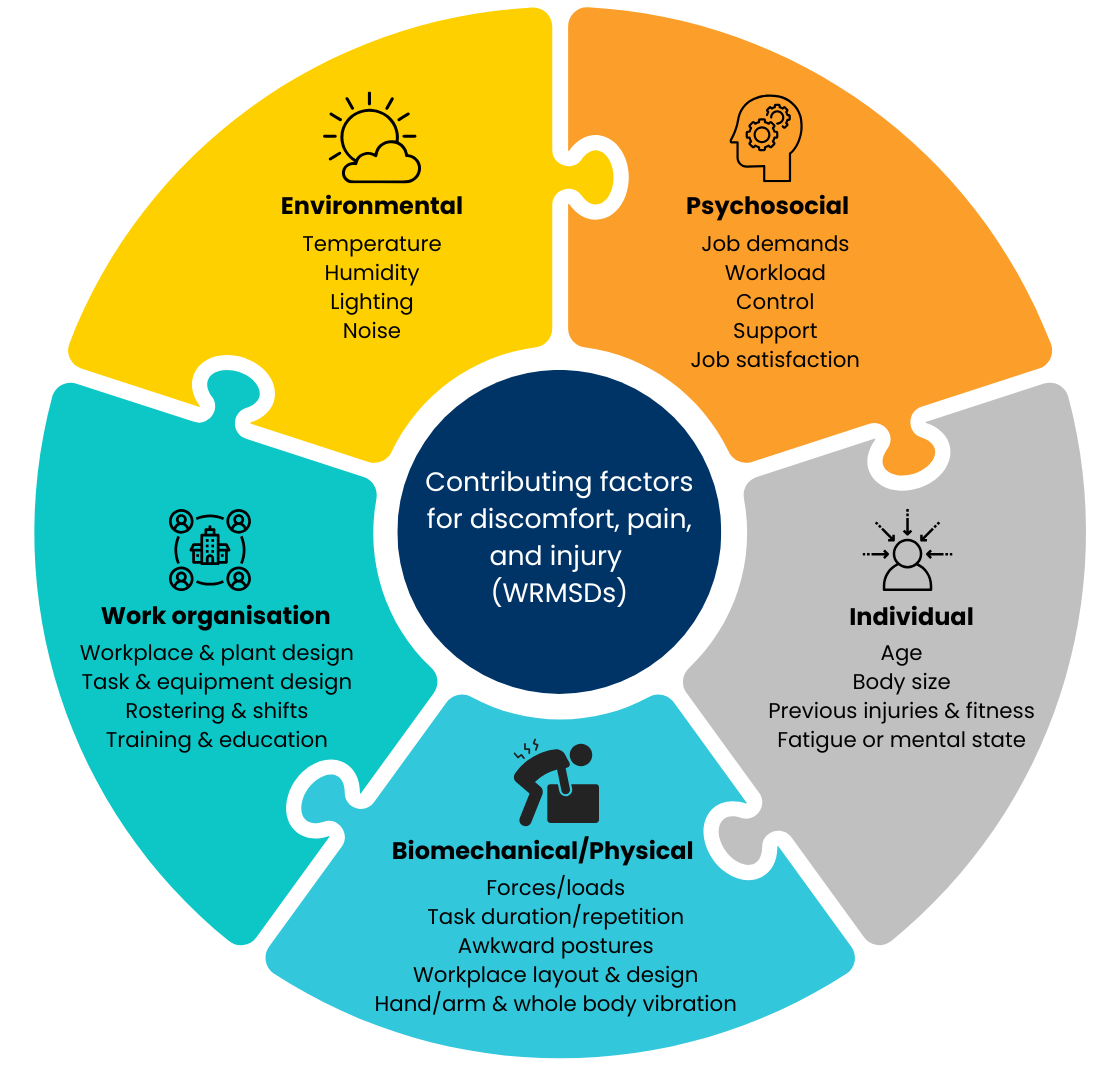
Contributing risk factors for work-related musculoskeletal disorders. Copyright ©2025 ProErgo+ (adapted from WorkSafe, 2024¹).
Using the Contributing risk factors for work-related musculoskeletal disorders model¹, adapted by ProErgo+ and shown here we can see that musculoskeletal risks rarely work in isolation. They interact with one another and affect individuals differently. Working in the cold is just one factor that contributes to a higher likelihood of injury.
Let’s look at how these risk factors interact in a little more detail.
Environmental factors
These include low air temperature, high airflow (wind chill or cool-store fans), and exposure to dampness or water. Wind chill significantly drops the perceived temperature. For example, an ambient temperature of 5°C can easily feel like sub-zero on a body if exposed to a moderate breeze. Dampness from winter rain or internal sweat, destroys the insulating properties of clothing, causing the body to lose heat much faster than it does in dry air⁴.
Biomechanical and physical factors
Cold changes how we handle physical loads. For an outdoor construction worker or a cool store picker, handling a frozen metal tool or chilled item means dealing with harmful loads that accelerate local tissue cooling⁵. When people feel cold, they instinctively adopt a tightly guarded, huddled posture where the shoulders are shrugged toward the ears, the neck is tucked in, and the back rounded. Holding this awkward, static posture for hours introduces massive mechanical stress onto your neck, shoulders, upper back, and lower back.
Work organisation factors
How work is structured dictates whether the body can recover. If shift structures do not allow for frequent warming breaks or task rotation, the physiological impacts of cold accumulate. While thermal clothing and personal protective equipment (PPE) are important to maintain heat, if they are bulky, poorly fitted, or make it difficult to grasp objects, the clothing itself becomes a risk factor. Heavy coats restrict shoulder mechanics, while thick, rigid gloves increase the required hand grip force by forcing the muscles to fight against the stiff material of the glove just to close the hand.
Individual factors

Every worker’s metabolic output dictates how they handle cold, and workers who are regularly exposed undergo physiological acclimatisation. This includes increased ‘brown fat’ (heat-generating fatty tissue) activity, and improved blood flow to the extremities (hands and feet) reducing their shivering response and improving hand dexterity over time. This combination of biology and workload creates two different risk profiles:
The manual worker
These workers generate large amounts of internal metabolic heat through dynamic movement. Their primary risk is sweating through their base layers during heavy exertion, followed by rapid, dangerous cooling during rest periods when the damp fabric sits against their skin.

The sedentary desk worker
Those working at a computer generate very little metabolic heat due to the lack of movement. Sitting completely still causes the body’s core temperature and heart rate to drop slightly, and blood pools in the lower extremities. Without muscular contraction to pump blood back up, hands and feet become icy cold, leading to significant discomfort, muscle stiffness, and a dramatic drop in fine motor control. Because static postures already contribute to tension in the neck, shoulders, and back, the cold further exacerbates this stiffness.
Psychosocial factors
Cold environments can also alter cognitive function and workplace culture. When a worker is uncomfortably cold, their focus shifts from the task at hand to their physical discomfort. This drop in mental concentration can lead to simple operational errors, while a natural desire to escape the cold environment can cause workers to take shortcuts, rush through tasks, or skip using handling aids and safe lifting procedures just to get the job done quickly.
Tips for businesses to control the risk of working in the cold.
Under the Health and Safety at Work Act (HSWA), New Zealand businesses (PCBUs) have a primary duty of care to provide a safe physical work environment, which includes managing extreme or uncomfortable temperatures.
While providing specialised cold-store PPE (such as insulated jackets, thermals, hats, and gloves) is an essential baseline shield, relying solely on gear is only the bottom tier of protection. True risk management requires looking beyond equipment and systematically climbing the hierarchy of controls to manage how the work itself is structured.

Engineering Controls
Consider isolation and deflection.
In distribution hubs and cool stores, installing strip curtains, fast-acting roller doors, or air-curtain systems can dramatically minimise the entry of biting wind gusts into transit zones. For outdoor environments, constructing temporary, three-sided windbreaks on long-duration work faces is a great way to disrupt wind chill.
Explore localised micro-climate heating.
Instead of trying to heat a massive, draughty industrial shed, businesses can look at installing radiant infrared heaters directly over fixed assembly lines or packing stations. For sedentary or home-based workers, providing clear guidelines, or considering allowances for safe, efficient space heaters or heated desk mats can effectively warm the forearms and wrists directly.
Look at material substitution.
A simple but effective step is swapping out bare steel handles on tools, jacks, and trolleys with insulated rubber, composite, or foam sleeves. This helps prevent direct conductive heat loss from workers' hands, preserving dexterity.

Administrative Controls
Introduce pre-shift warm-ups.
Consider implementing a structured, 5 to 10-minute warm-up routine at the very start of a shift, completed on company time. When workers step out of the cold morning air or a chilled break room, their muscles are physically stiff. To fix this, dedicate time for gentle, dynamic movements that mimic their upcoming work activities. Examples include shoulder rolls, torso twists, bodyweight squats, and hand clenches where the fingers stretch open and close into a fist. These movements rapidly warm up the body and pump oxygenated blood to the extremities to restore dexterity. This routine also serves as a perfect transition, focusing workers' attention on their physical posture before they handle a single load.
DesIgn dynamic task rotation.
Look at structuring schedules that alternate workers between cold zones (like commercial freezers) and ambient zones (like the loading bay) every 45 to 60 minutes. This effectively breaks the cycle of cumulative tissue cooling. If rotation isn't practical, ensure regular, scheduled warming breaks outside of these cold areas as a great alternative.
Use a ‘drying intermission’.
Provide dedicated, actively heated drying rooms or cabinets for your team. This allows workers to dry out damp wet-weather gear or sweaty layers during morning tea and lunch breaks. Putting dry layers back on for the next part of the shift is a critical defence against severe chilling and deep muscle stiffness.
Allocate sufficient re-warming time.
Consider building formal time into the shift structure for workers to step into a designated warm room. This allows them to fully re-warm their hands and restore full tactile feedback. Taking this time before attempting tasks that require fine motor precision or heavy lifting significantly reduces the risk of error and injury.

Smart PPE management
If protective clothing is required, it must be fit-for-purpose:
Prioritise breathable layering over bulk.
Provide a structured three-layer clothing system rather than one giant, heavy jacket. Start with a moisture-wicking base layer like merino or synthetic polypropylene. Add an insulating middle fleece layer, and finish with a wind-and-waterproof outer shell. This system allows workers to easily adapt their layers as their physical work demands fluctuate throughout the day.
Conduct regular glove audits.
Select high-dexterity thermal gloves that feature texturised palms for enhanced grip friction. If workers have to remove their gloves to use touchscreens or handle small parts, the glove has failed. The worker will simply end up exposed to the cold anyway, defeating the purpose of the gear.
Top Tips for Employees: Keeping safe, warm, and mobile
While businesses must provide the structural framework, individuals have a personal role to play in protecting their bodies when working in the cold.
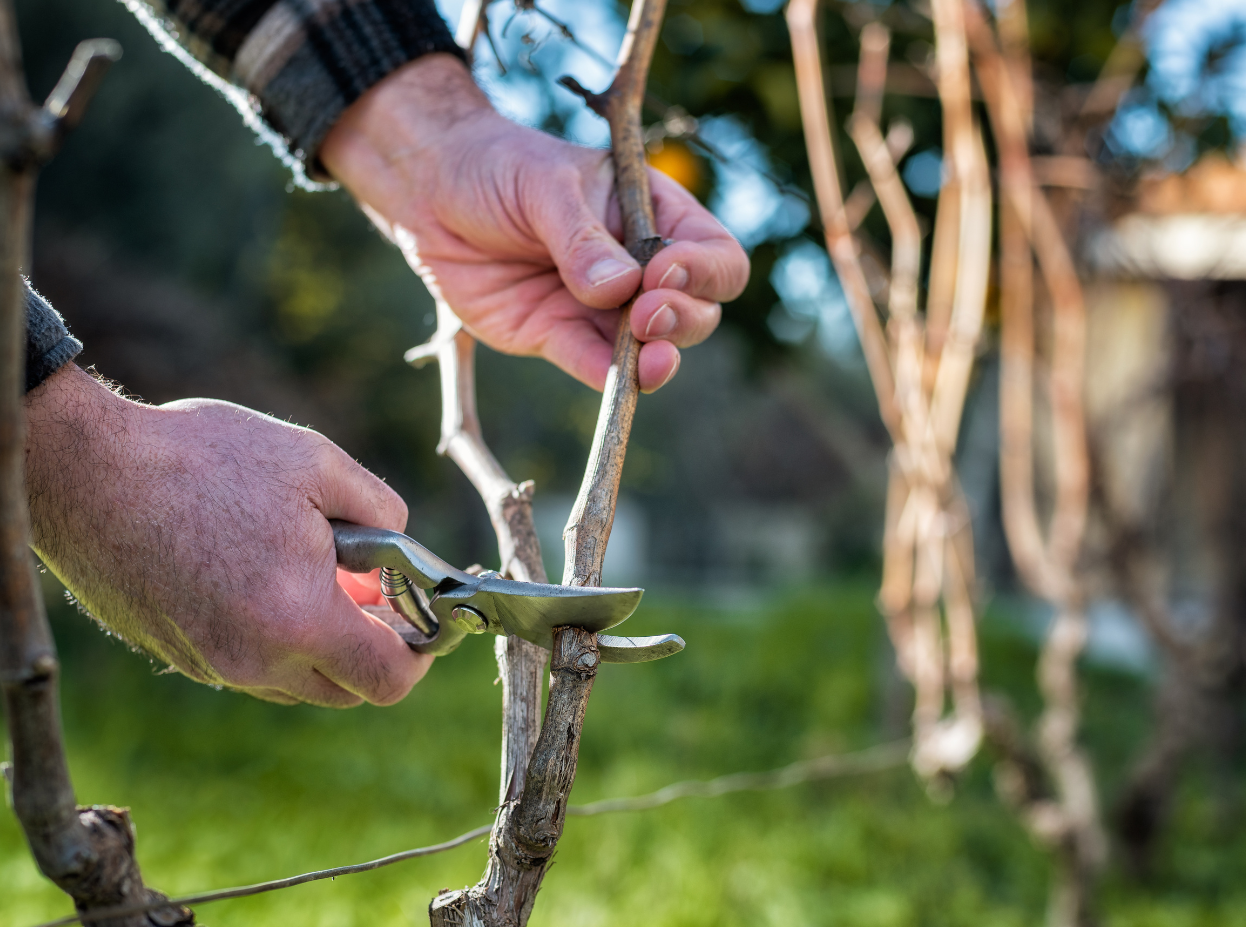
For the manual or outdoor worker
Manage the sweat cycle.
Pay close attention to your internal thermostat. If you are working hard and feel yourself starting to sweat, unzip your outer shell or remove your middle fleece layer. Do this before your clothes become damp. If you let your base layer get soaked, you will freeze the moment you stop moving.
Fuel your internal furnace.
Working and shivering in the cold burns significantly more calories. Eat warm, nutrient-dense meals and stay well-hydrated. Dehydration actually accelerates peripheral vasoconstriction, which makes your hands and feet feel colder faster. Watch your caffeine intake too. While a piping hot coffee feels great, excessive caffeine can constrict blood vessels further and restrict vital circulation to your fingers.
The active micro-warm-ups.
Before lifting heavy loads or operating machinery, take at least 60 seconds of gentle, deliberate physical preparation to prime your muscles. Focus on large muscle groups to get blood pumping out to your extremities. Try these quick movements:
Arm swings. Swing your arms in wide, controlled circles to force blood down into your fingertips.
Gentle torso twists. Do a few controlled twists to wake up your core stabilisers.
Bodyweight squats. Perform 5 to 10 slow, controlled squats. Because your legs and glutes are your largest muscle groups, waking them up acts like turning the key on your body’s internal furnace. This instantly boosting your core temperature and drives blood flow from your trunk down to your feet.
Hand clenches. Repeatedly stretch your fingers open and squeeze them into a fist. This stimulates local circulation and restores vital grip sensitivity.

For the sedentary worker
Practise the 30-minute movement rule.
When you sit still at a desk, your muscles generate very little heat. Set a timer for every 30 minutes. Stand up, complete 10 gentle squats, or walk around the office for one minute. Your calf muscles act as your body’s second heart. Performing seated or standing calf raises contracts these muscles and pumps blood that has pooled in your lower legs back up to your torso. This simple muscular contraction acts as a natural pump, instantly kickstarting your circulation and thawing out freezing cold feet.
Protect your contact points.
Watch out for cold surfaces. If you rest your forearms on a cold wooden or glass desk, that surface actively draws heat straight out of your body via conduction. Use a large felt or foam desk mat to create a comfortable thermal barrier under your keyboard and mouse.
Run a neutral posture check.
Periodically check where your shoulders are sitting. Are they creeping up toward your ears because you feel cold? Consciously drop your shoulders down, gently tuck your chin, and roll your wrists out. Add a few light, gentle neck turns by slowly looking over each shoulder. You can also slowly lower your ear toward your shoulder to stretch the side of your neck. This simple routine breaks the static, hunched tension pattern that winter desk work tends to cause.
A warm workplace is a safe workplace
Cold is a sneaky, quiet hazard that is often overlooked. It doesn't always announce itself with a dramatic incident. Instead, it slowly drains our physical dexterity, increases internal muscle tension and fatigue, and quietly erodes our safety margins.
By taking a systems thinking approach and treating temperature as a dynamic variable, we can build healthier, happier, and more comfortable work environments. This winter, let's look beyond the thermostat and proactively engineer the cold out of the equation where we can.
References
WorkSafe New Zealand (2024). Work-related musculoskeletal disorders and risk factors. Quick Guide
Farbu, E. H., Höper, A. C., Reierth, E., Nilsson, T., & Skandfer, M. (2022). Cold exposure and musculoskeletal conditions; A scoping review. Frontiers in Physiology, 13, Article 934163.
Pienimäki, T. (2002). Cold exposure and musculoskeletal disorders and diseases. A review.International Journal of Circumpolar Health, 61(2), 173–182.
Lewis, C., Stjernbrandt, A., & Wahlström, J. (2023). The association between cold exposure and musculoskeletal disorders: a prospective population-based study.International Archives of Occupational and Environmental Health, 96(4), 565–575.
Tappin, D., Moore, D., Ashby, L., Riley, D., Bentley, T. & Trevelyan, F (2006). Musculoskeletal disorders in meat processing: A review of the literature for the New Zealand meat processing industry.